
Winter wader land
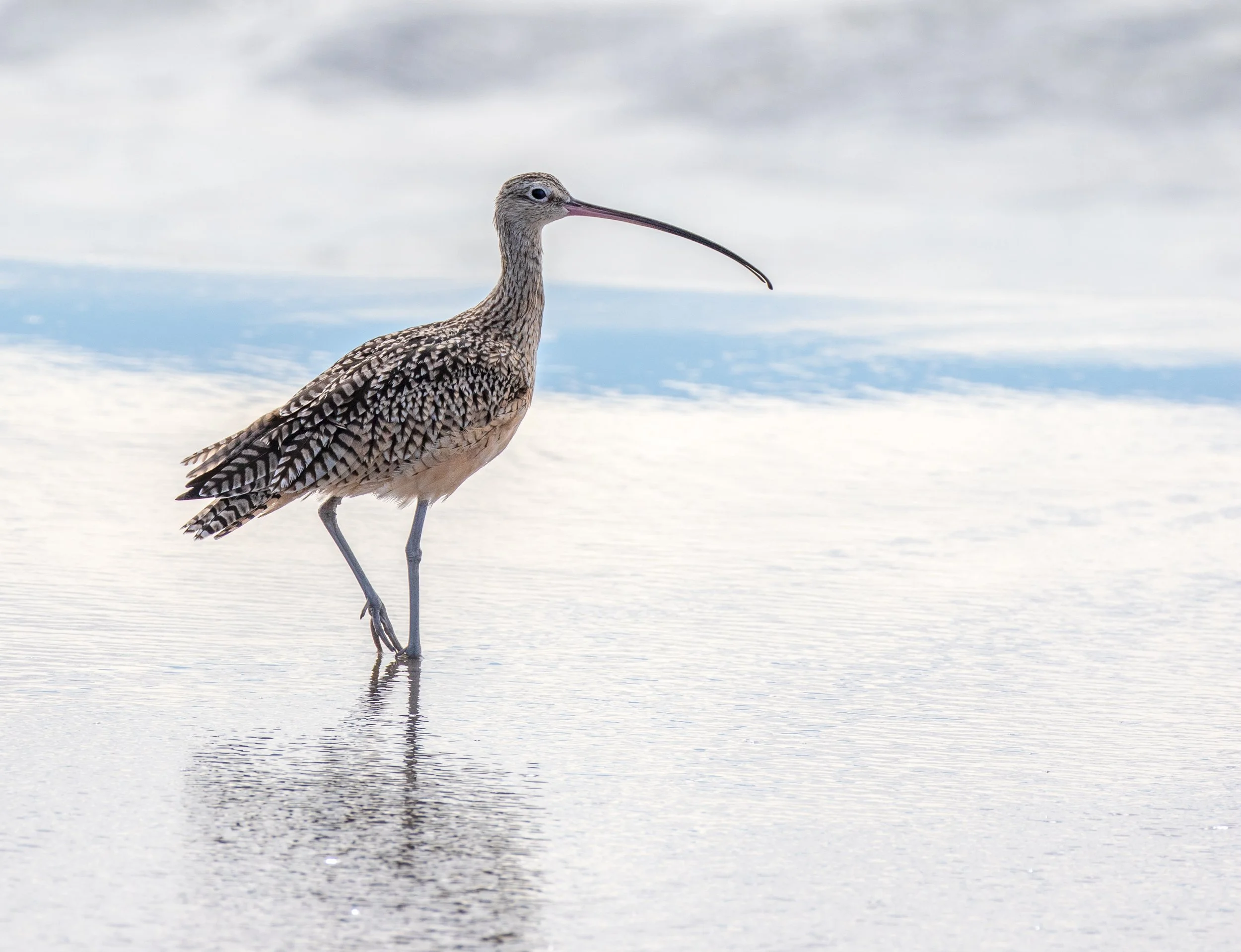
Our familiar curlew
First published in edition 197 of The Northumbrian, Dec/Jan 2023/2024
Ian Kerr celebrates the many species of wader which arrive on these shores during the winter months
We might consider our coast to be cold and inhospitable in midwinter, but to many visiting birds from the even colder far north, it must seem positively mild and pleasant.
Thousands of birds which migrate from the vast expanses of Siberia, northern Europe, Iceland, Greenland and Canada, which are all now locked in sub-zero conditions, find our climate welcoming and flock here in their thousands to enjoy our relatively temperate climes.
By far the biggest family in this winter population are our visiting waders, which range in size from species not much bigger than a sparrow to the largest and among our best-loved – the familiar curlew.
More than 50 different species of wader have been recorded in the region over the years, admittedly some as great rarities but many as common winter visitors to the coast.
All species of wader have much in common. They are usually long-legged, and they tend to live near water, either on the coast or in marshes, or on rivers and other wet landscapes. On migration and in winter you will often see them gathered in dense flocks on tidal mudflats, creating the illusion of avian seaweed.
In their breeding grounds, their nests are often no more than scrapes in the earth, the incubating parents relying on camouflaged plumage and cryptic egg colours and patterns to disguise them.
Their young are downy when they hatch, and as soon as a newborn’s plumage dries it can leave the scrape to take advantage of ground cover. They are also able to feed themselves, generally on insects and other ground food.
Waders are among the most fascinating birds. They are often long-distant migrants from wild and largely uninhabited places, those visiting the region travelling mainly from the Arctic and other northern parts of Europe, Asia, and in some cases North America.
Their physiology, particularly their long legs and bills, enables them to exploit a huge range of habitats where they feed on a wide range of insects, molluscs and crustaceans; some species taking small fish while others sift surface water for tiny shrimps and other small prey.
The longer-legged species can wade and feed in deeper water, while others rely on the water’s edge or the wet, soft mud, silt and sand exposed by falling tides.
Evolution has provided these numerous species with a variety of bill shapes, enabling each to take advantage of foodstuffs available in the same area, avoiding competition with other waders adapted for different prey.
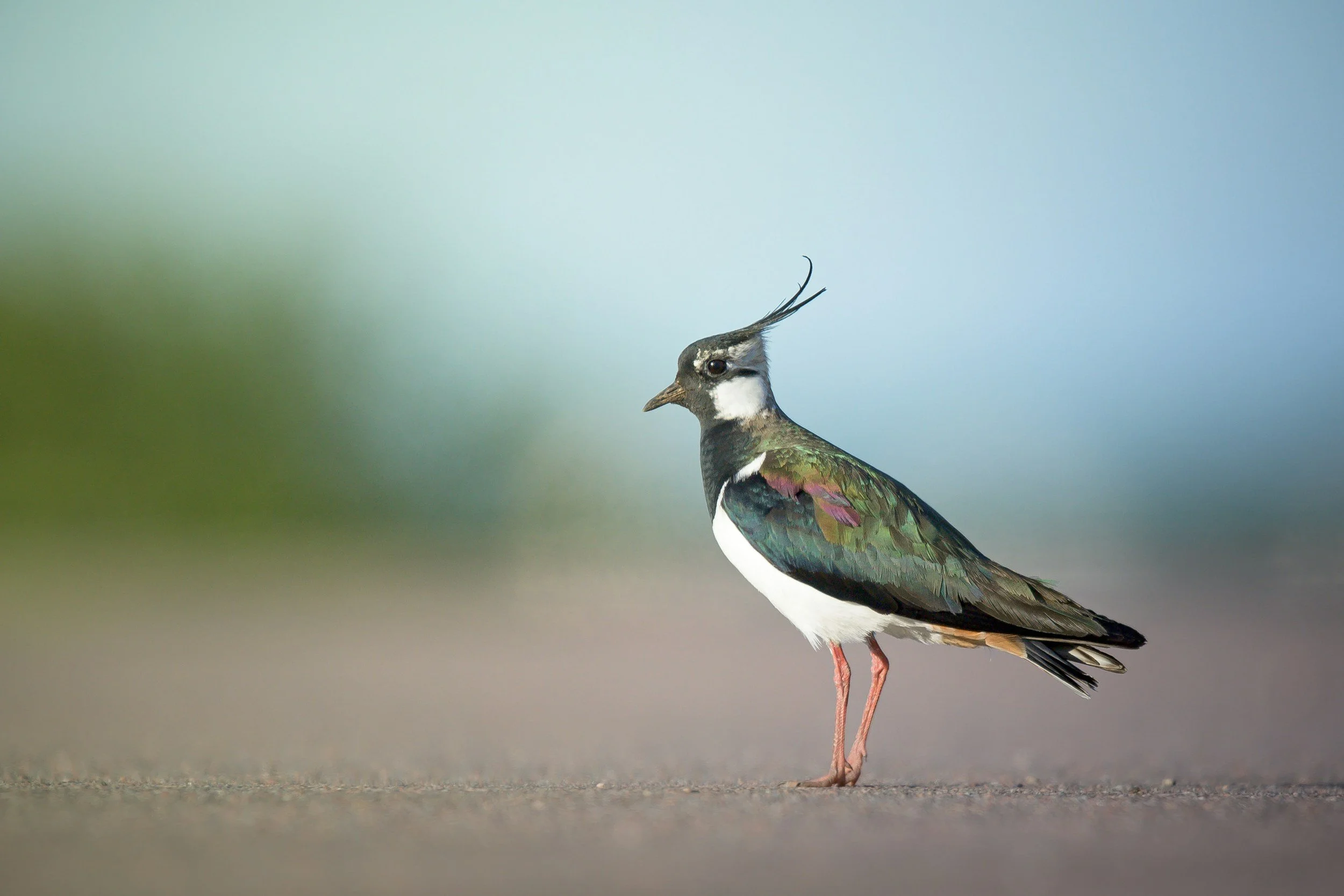
Lapwing
Shorter-billed species, particularly lapwing and the golden, grey, and ringed plover, generally search for food on or near the surface. Other common small-billed species such as dunlin, turnstone, knot and sanderling are also mainly surface feeders.
Longer-billed birds such as the curlew, godwit, redshank, and others are able to wade in shallow water and probe much more deeply into mud, silt and sand for prey out of the reach of their shorter-billed cousins. Others, including the oystercatcher, have strong bills capable of hammering open the toughest of shellfish.
Lapwing and curlew are among the most common winter visitors to our coast. Many lapwings will simply have moved down from their local breeding areas, but studies have shown that most wintering curlew are from northern Europe, while our native – and sadly diminishing – breeding birds tend to move to the west coast and Ireland.
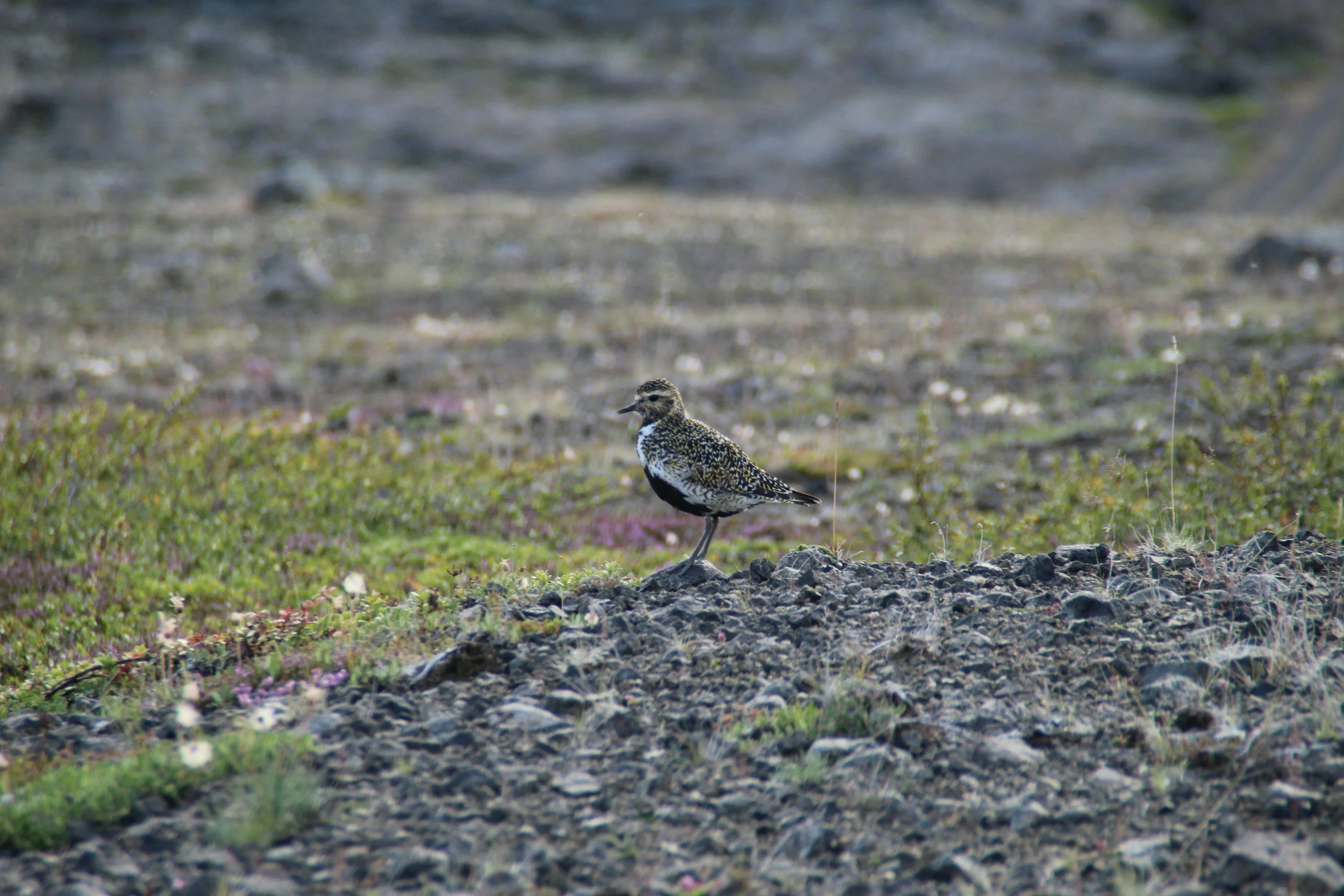
Golden plover
Golden plover breed in small numbers across moorlands, but vast flocks, often in their thousands, are found along the coast in winter, presenting a great spectacle as they gather loudly in closely packed flocks to feed in coastal fields or roost on favoured stretches of sand and mud.
The majority of these are from abundant breeding populations in Iceland, Scandinavia, and northern Russia, and they become more apparent in late winter when they start to develop their glorious golden and black plumage.
The golden plover of the northern race has much more extensive black on their faces, breasts, and bellies than our own more lightly marked breeders of the southern race.
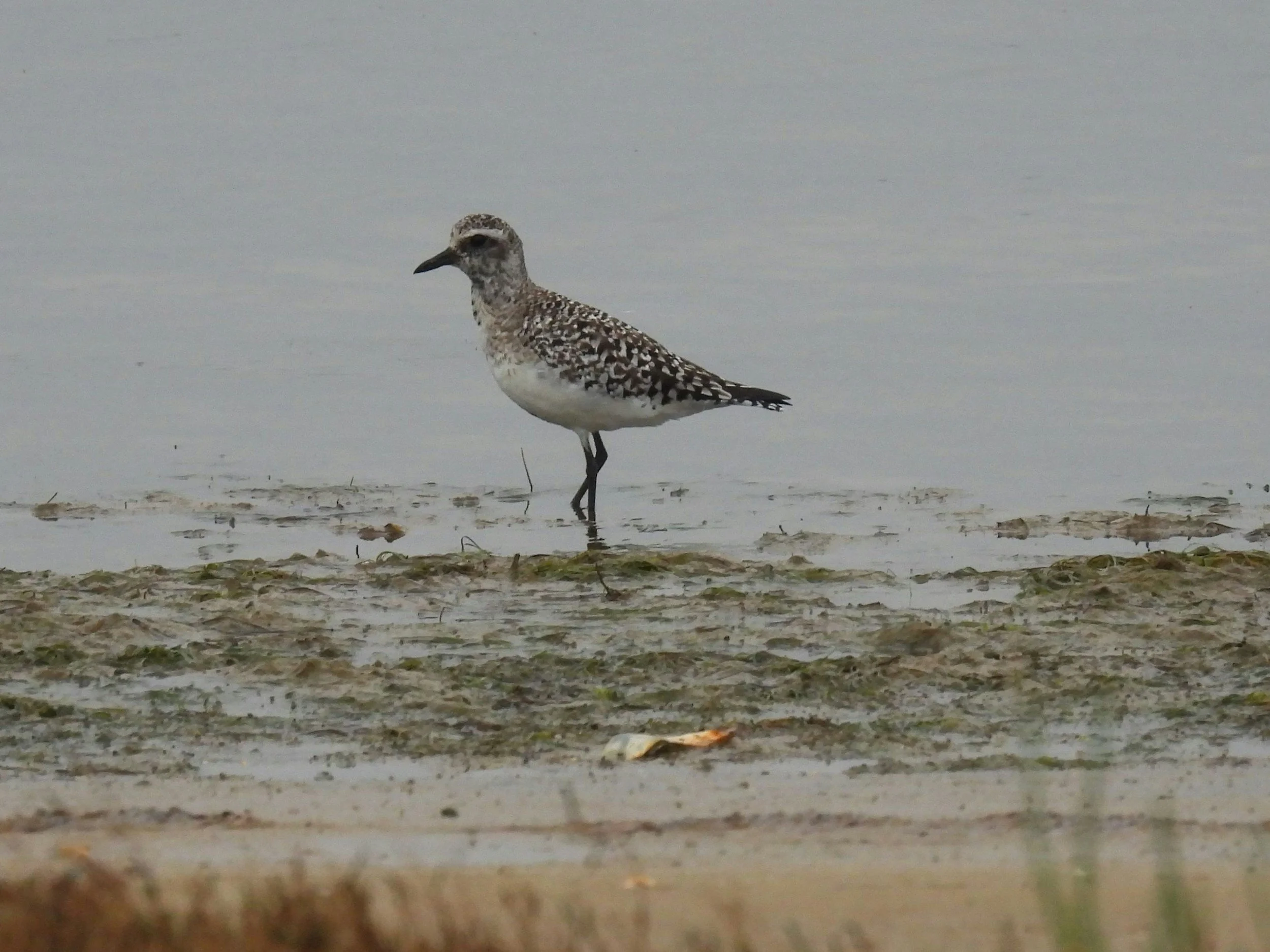
Grey plover
My favourite of this family is the grey plover, a species which comes from the high Arctic tundra or Europe and North America. Much less numerous and usually feeding singly, in winter it is a rather drab grey. But as spring approaches it moults into its breeding plumage, transformed into a beautiful near-silver, black and white plumage which makes it to my mind the most handsome of all the waders.
Another wintering species which undergoes a spring transformation from dowdy brown and grey is the bar-tailed godwit. This long-legged, long-billed species favours the vast tidal mud flats and sands around Lindisfarne, while smaller numbers are scattered up and down the coast.
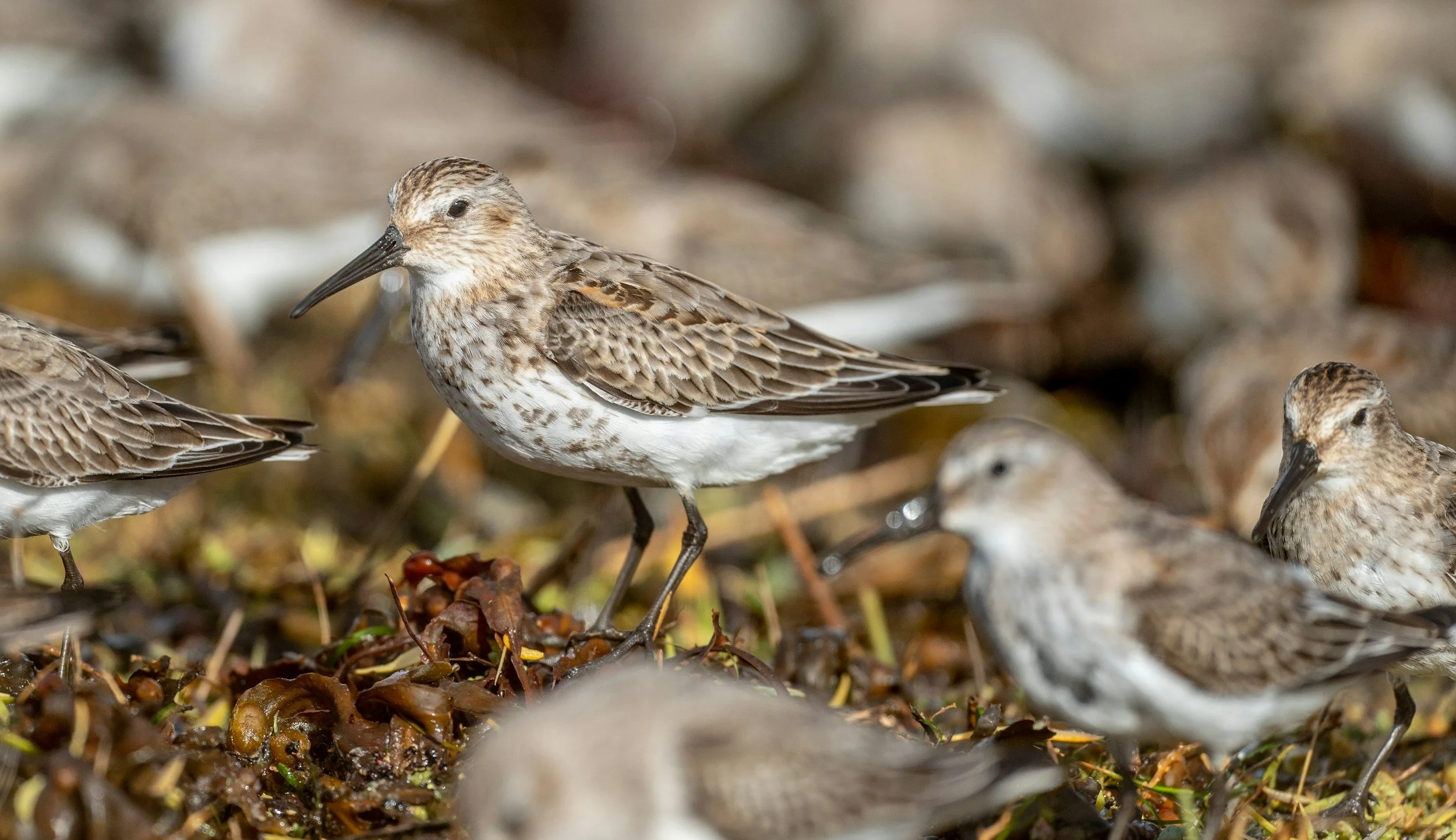
Dunlin
Before they depart for the high Arctic breeding grounds across northern Europe and Siberia, they moult to a deep, brick-red plumage, which we can marvel at for a short period before they disappear northwards.
The bar-tailed godwit is capable of tremendous feats of endurance on migration and has been shown to be able to stay continuously in the air for up to 14 days on an epic route across the Pacific from Alaska to Australia and New Zealand.
Among the smallest of our common waders, two stand out for me. The first is the dunlin – a small, brown and lively little wader which was once by far the commonest of our winter visitors. Back in 1978, a staggering 31,000 were recorded at Lindisfarne, but since then its winter numbers have declined sharply throughout the UK. These days, the winter totals at Lindisfarne are generally between 3,000 and 4,000, but this remains our commonest small wintering wader.
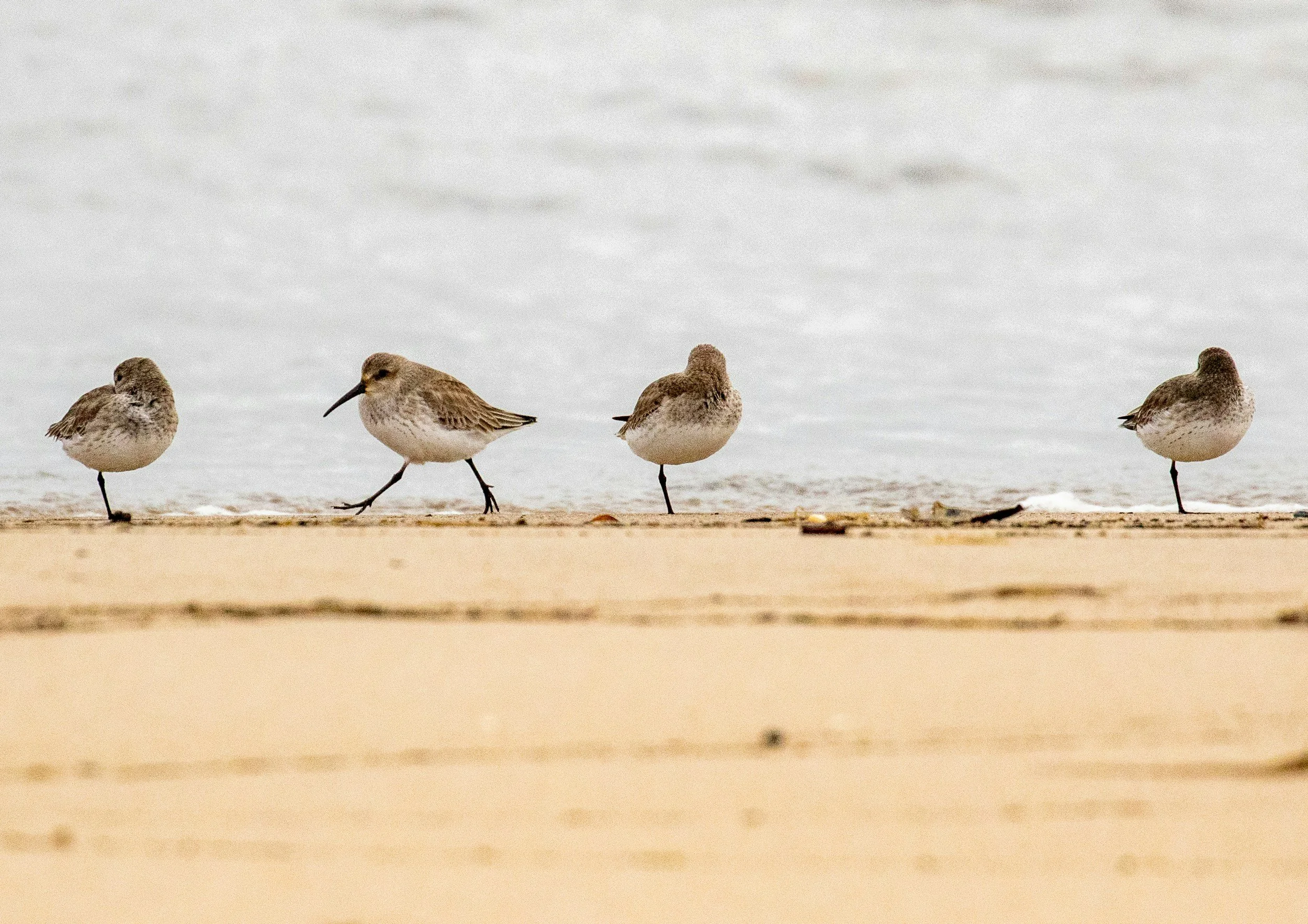
Sanderling
Another scene-stealer is the sanderling – the little grey and white visitor which arrives in autumn from high Arctic breeding grounds in Europe, Iceland, Greenland, and probably North America.
Among its favoured feeding areas are the open beaches largely ignored by other waders which concentrate on more obviously productive areas. The sanderling has perfected a unique feeding technique, dashing along the tideline snatching at minute food washed up by the waves.
As the waves retreat, the sanderling races forward to see what has been left behind. As the next wave sweeps back up the beach, it’s their turn to retreat. This lively feeding behaviour, and their speed, often make them look as though they are on wheels rather than little black legs.
Welcome to the wonderful world of waders. They are there now on the coast for us all to enjoy in these darker winter months.